
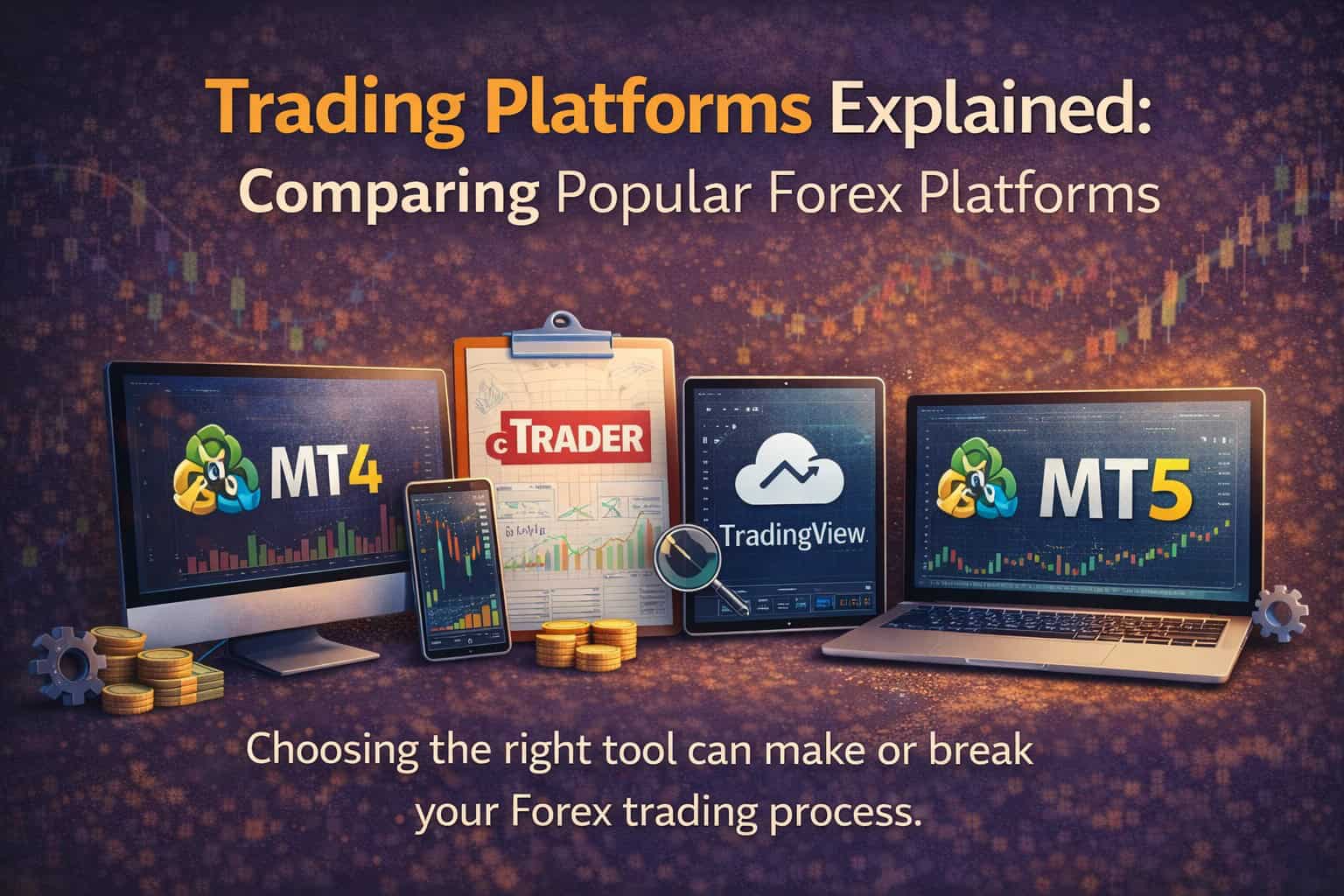
There are many trading platforms from which retail Forex traders can choose. Selecting the right one for their trading style is vital.
Your platform determines how you analyze markets, execute trades, manage risk, and interact with price in real time.
Yet many traders choose a platform based on convenience or popularity—without understanding how platform design, execution, tools, and limitations can directly impact performance.
This guide explains what trading platforms are, compares the most popular platforms used by retail Forex traders, and clarifies which platforms are best suited for different trading styles.
The goal is not to crown a “best” platform, but to help you choose the right tool for your process.
TL;DR — Quick Summary
- A trading platform is the software interface connecting you to the Forex market
- Platforms differ in execution, charting, automation, and broker integration
- MT4 and MT5 dominate broker-based execution
- TradingView leads in charting and market structure analysis
- cTrader focuses on execution transparency
- Most brokers also offer web-based platforms requiring no downloads
- Platform choice should support discipline and process—not compensate for strategy flaws
What Is a Trading Platform?
A trading platform is software that allows retail traders to:
- View live price data
- Analyze charts and indicators
- Place, manage, and close trades
- Monitor account balance, margin, and risk
Trading platforms act as the interface between the trader and the broker, and ultimately between the trader and the Forex market itself.
While all platforms perform these basic functions, the quality, depth, and design of these features vary widely.
Why Trading Platforms Matter More Than Most Traders Realize
Many traders believe success depends only on strategy. In practice, platform limitations often undermine execution and decision-making.
Common platform-related problems include:
- Slippage due to poor execution handling
- Charting limitations that obscure market structure
- Overly complex interfaces that encourage overtrading
- Weak higher-timeframe visibility
- Inconsistent mobile or cross-device access
A good platform should reduce friction and cognitive load, not increase them.
Core Features
Before comparing platforms, it helps to understand what they all have in common.
| Core Feature | What It Does |
| Price Feeds | Displays live bid and ask prices |
| Charting | Visualizes price history |
| Order Execution | Places market, limit, and stop orders |
| Account Management | Tracks equity, margin, and P/L |
| Indicators | Applies technical studies |
| Timeframes | Displays price across multiple horizons |
The differences lie in execution quality, flexibility, transparency, and usability.
The Most Popular Trading Platforms for Retail Forex Traders
Retail Forex traders typically encounter five major platform categories:
- MetaTrader 4 (MT4)
- MetaTrader 5 (MT5)
- TradingView
- cTrader
- Broker Web-Based Trading Platforms
Each plays a distinct role in the trading ecosystem.
MetaTrader 4 (MT4)
Overview
MT4 has been the industry standard for retail Forex trading for nearly two decades and remains widely supported by brokers.
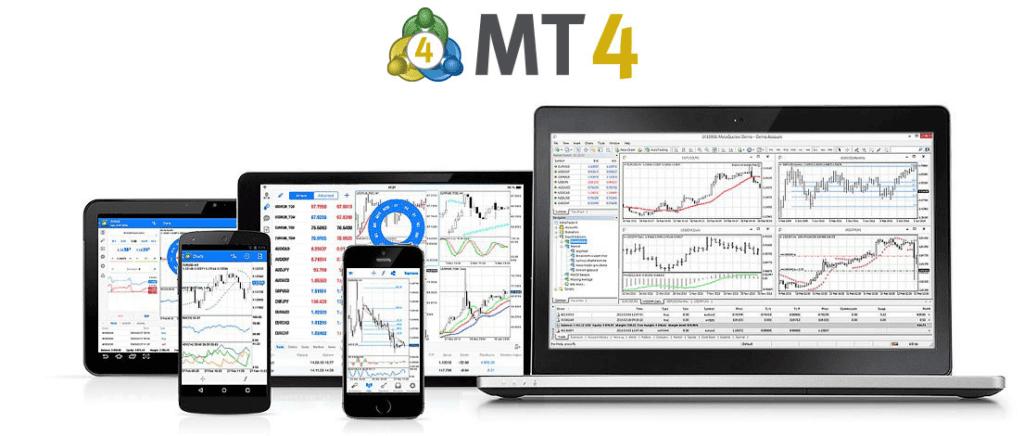
Strengths
- Extensive broker support
- Lightweight and stable
- Simple execution workflow
- Large indicator and EA library
Limitations
- Outdated charting tools
- Limited drawing flexibility
- Weak multi-asset support
- No centralized updates
Best For
- Traders focused on basic Forex execution
- Algorithmic traders using legacy EAs
- Traders whose brokers only support MT4
MT4 remains functional—but no longer modern.
MetaTrader 5 (MT5)
Overview
MT5 was designed as MT4’s successor, expanding asset coverage and technical capabilities.
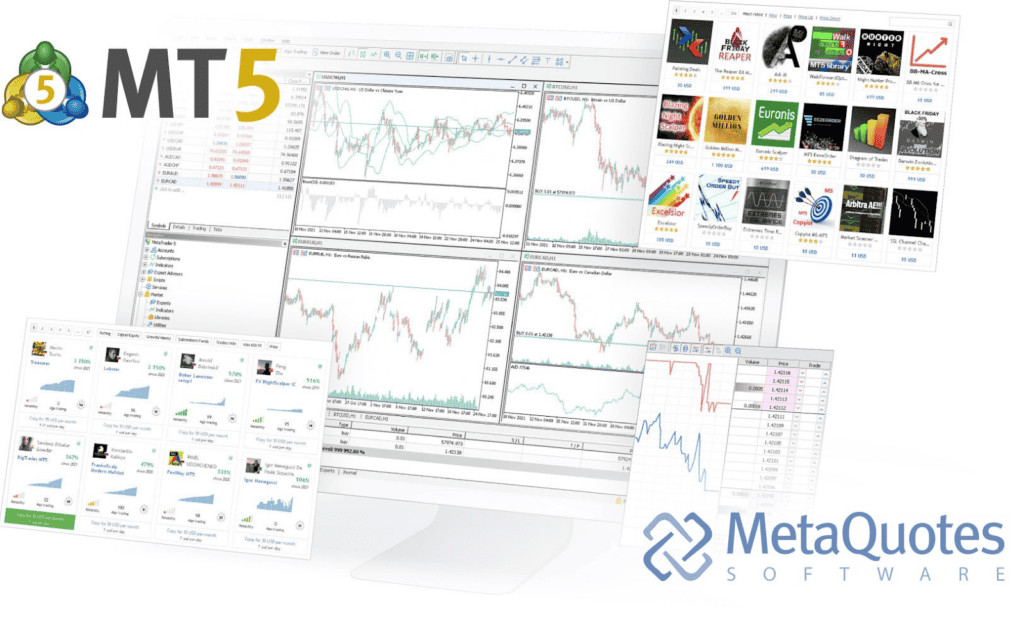
Strengths
- More timeframes and indicators than MT4
- Supports Forex, indices, stocks, and futures
- Improved strategy testing
- Enhanced depth-of-market tools
Limitations
- Still limited charting compared to modern platforms
- Inconsistent broker implementations
- Slightly steeper learning curve
Best For
- Traders needing multi-asset access
- Traders migrating away from MT4
- Traders with strong MT5 broker support
MT5 is an evolution—not a redesign.

Looking for a Strategy?
Download the Six Basics of Chart Analysis and sign up for Forex Forecast to learn a bottom-up approach to analyzing Forex markets and weekly market updates.
TradingView
Overview
TradingView is the most widely used charting and analysis platform among retail traders. It is broker-agnostic and cloud-based.
Strengths
- Best-in-class charting and drawing tools
- Clean, intuitive interface
- Web-based with cross-device sync
- Strong multi-timeframe analysis
- Large community script ecosystem
Limitations
- Execution depends on broker integration
- Advanced features require paid plans
- Not all brokers supported
Best For
- Position traders
- Technical analysts
- Traders prioritizing structure, clarity, and context
TradingView excels at analysis, not raw execution speed.
cTrader
Overview
cTrader was built to provide greater execution transparency and a more institutional-style experience for retail traders.
Strengths
- Transparent pricing and order handling
- Advanced order controls
- Clean, modern interface
- Strong depth-of-market features
Limitations
- Smaller broker network
- Smaller indicator ecosystem
- Less community-driven development
Best For
- Traders focused on execution quality
- Spread- and slippage-sensitive traders
- Active intraday traders
cTrader emphasizes execution over customization.
Broker Web-Based Platform
Overview
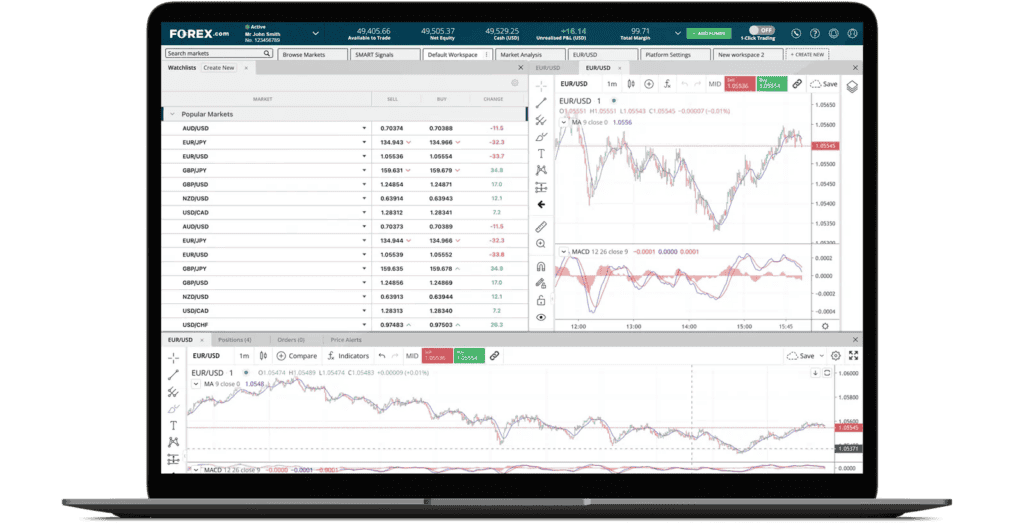
Most Forex brokers also offer a proprietary web-based trading platform that runs entirely in a browser, requiring no software installation.
These platforms are typically designed for accessibility rather than advanced analysis.
Strengths
- No download or installation required
- Quick account access from any device
- Simple, beginner-friendly interfaces
- Direct broker integration
Limitations
- Limited charting tools
- Fewer indicators and drawing features
- Minimal customization
- Often unsuitable for advanced analysis
Best For
- New traders getting started
- Traders needing quick access while traveling
- Account monitoring rather than deep analysis
Web platforms are convenient—but rarely optimal as a primary analysis tool.
Platform Comparison at a Glance
| Platform | Best Use Case | Key Strength | Key Weakness |
| MT4 | Basic Forex trading | Broker availability | Outdated tools |
| MT5 | Multi-asset trading | Expanded features | Dated charting |
| TradingView | Market analysis | Charting excellence | Broker dependence |
| cTrader | Execution precision | Transparency | Limited brokers |
| Web Platforms | Accessibility | No installation | Weak analysis tools |
Platform Choice by Trading Style
| Trader Type | Primary Timeframes | Key Platform Requirements | Best-Fit Platforms |
| Position Traders | Weekly and Daily Charts | Clean structure visibility, minimal distractions | TradingView |
| Swing Traders | Daily and 4H Charts | Flexible charting, momentum confirmation, and reliable execution | TradingView + MT5 or cTrader |
| Day Traders | Intraday Charts | Fast execution, depth of market, tight spreads | cTrader or MT5 |
Common Mistakes
| Mistake | Why It Hurts Performance |
| Choosing based on popularity | Ignores trading style fit |
| Overloading indicators | Increases noise and confusion |
| Switching platforms often | Breaks consistency |
| Ignoring broker execution | Leads to slippage |
| Expecting the platform to create edge | Masks strategy flaws |
A platform should support discipline—not replace it.
What a Trading Platform Cannot Do
No platform can:
- Fix poor risk management
- Eliminate emotional trading
- Replace market understanding
- Create consistency
The platform is a tool, not a strategy.
How to Choose
Ask yourself:
- What timeframe do I trade?
- Do I need advanced charting or execution speed?
- How vital is broker flexibility?
- Do I trade one asset or many?
The right platform aligns with process, not preference.
Conclusion
Trading platforms are foundational to success in Forex trading, yet they are often misunderstood or misused.
The best platform is not the most complex or the most popular—it is the one that supports your trading style, reinforces discipline, and removes friction from decision-making.
When your platform complements your process, consistency becomes easier—and mistakes become clearer.
What’s the Next Step?
Evaluate your current platform honestly:
- Does it support your timeframe?
- Does it improve clarity—or create noise?
- Does it help you follow your plan consistently?
If you want a platform-independent way to analyze markets, learn the Six Basics of Chart Analysis.

It works across all platforms and keeps your focus on price, structure, and context—where real trading decisions are made.
Five-Question Quiz: Trading Platforms
1. What is the primary role of a trading platform?
A. To predict market direction
B. To connect traders to the Forex market
C. To eliminate trading risk
D. To replace trading strategy
2. Which platform is strongest for charting and multi-timeframe analysis?
A. MT4
B. MT5
C. TradingView
D. Broker web platforms
3. Which platform emphasizes execution transparency and depth-of-market tools?
A. TradingView
B. MT4
C. Broker web platforms
D. cTrader
4. Why are broker web-based platforms typically limited for advanced traders?
A. They are expensive
B. They lack broker integration
C. They offer limited charting and customization
D. They only support equities
5. Which trading style benefits most from TradingView?
A. High-frequency scalping
B. News-based trading
C. Automated EA trading
D. Position trading
Answer Key
- B
- C
- D
- C
- D
Forex Trading Disclosure Statement
Risk Warning:
Forex trading involves significant risk and may not be suitable for all investors. You may lose more than your initial investment. Only trade with money you can afford to lose.
Market Risks and Volatility:
Currency prices move based on global events, economic data, and geopolitical changes. Volatility can cause sudden, unexpected losses.
Leverage Risks:
Leverage increases both potential gains and potential losses. Use it cautiously.
Technology Risks:
Trading platforms can experience outages, delays, or pricing errors that affect trades.
No Guaranteed Results:
Past performance does not guarantee future outcomes. No strategy eliminates all risk.
Educational Purpose Only:
The information provided is for education, not financial advice. Consult a licensed professional before trading.
Responsibility:
You are responsible for your own trading decisions and risk management.