

Can Forex trading make you rich? Forex trading attracts people worldwide because it offers the possibility of profit, financial independence, or supplemental income.
But while the idea of “getting rich” is appealing, the reality is far more complex.
This article explores what Forex trading can truly provide, what it cannot, and what you must understand before deciding whether it’s a realistic path toward wealth.
TL;DR – Can Forex Trading Make You Rich?
Forex trading can make you rich, but only if you treat it as a long-term discipline—not a shortcut to wealth. Success comes from education, risk management, realistic expectations, and consistently executing a trading plan.
Excessive leverage, emotional trading, and unrealistic goals are the fastest paths to failure.
Your lifestyle, capital, mindset, and preferred strategy determine whether Forex becomes supplemental income, a long-term wealth-building tool, or a source of frustration.
Table of Contents
- TL;DR – Can Forex Trading Make You Rich?
- What’s Your Definition of Rich?
- Do You Know the Basics of Forex Trading?
- Are You Ready to Live With the Risk?
- Do You Know the Common Mistakes You Must Avoid?
- Don’t Set Unrealistic Goals and Expectations
- Don’t Trade Without Adequate Education and Preparation
- Do You Have a Solid Trading Plan – Written Down?
- Can You Get Rich Trading Forex?
- Here’s the Truth You Must Know
- Do You Have What It Takes to Be a Trader?
- What Kind of Trader Should You Try to Be?
- Conclusion
- Quiz: Can Forex Trading Make You Rich?
- Answer Key
- What’s the Next Step?
- Forex Trading Disclosure Statement
What’s Your Definition of Rich?
Defining “rich” is personal. For some, it means financial freedom; for others, luxury; and for many, simply extra income.
Before evaluating Forex as a wealth-building tool, you must clarify your expectations.
Ask yourself:
- Do you want life-changing wealth or a secondary income stream?
- Are you expecting too much too quickly?
- Do you have enough capital to support the goals you’ve set?
Unlike building a successful company or inventing a new product, Forex trading does not create new value—it reallocates capital from other traders.
Your goals, lifestyle, and financial foundation determine the type of trader you should be and the returns you can realistically expect.
Do You Know the Basics of Forex Trading?
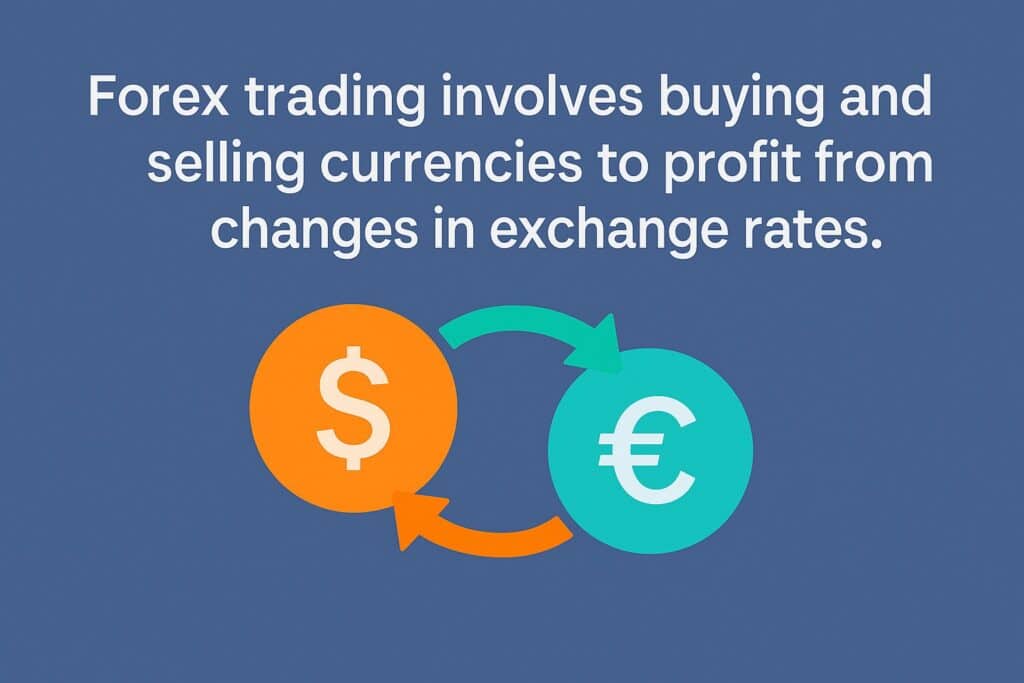
Forex trading involves buying and selling currencies to profit from changes in exchange rates.
To trade effectively, you must understand:
- How currency pairs work
- Market hours and liquidity
- Technical and fundamental analysis
- Position sizing
- Risk management
- Leverage
- Economic drivers
Forex is not a “get-rich-quick” system.
It requires education, a repeatable strategy, and disciplined execution. Demo accounts and study are essential steps before risking real capital.
Are You Ready to Live With the Risk?
Trading exposes you to volatility, global news, sudden market shocks, and emotional pressure.
This section outlines the primary risks you must accept.
There Will Be Unexpected Market Events
Unexpected events often create violent market moves:
- Natural disasters
- Geopolitical conflicts
- Economic crises
- Central bank surprises
These events can cause extreme volatility—even on pairs typically known for stability.
Excessive Leverage Is Your Greatest Adversary
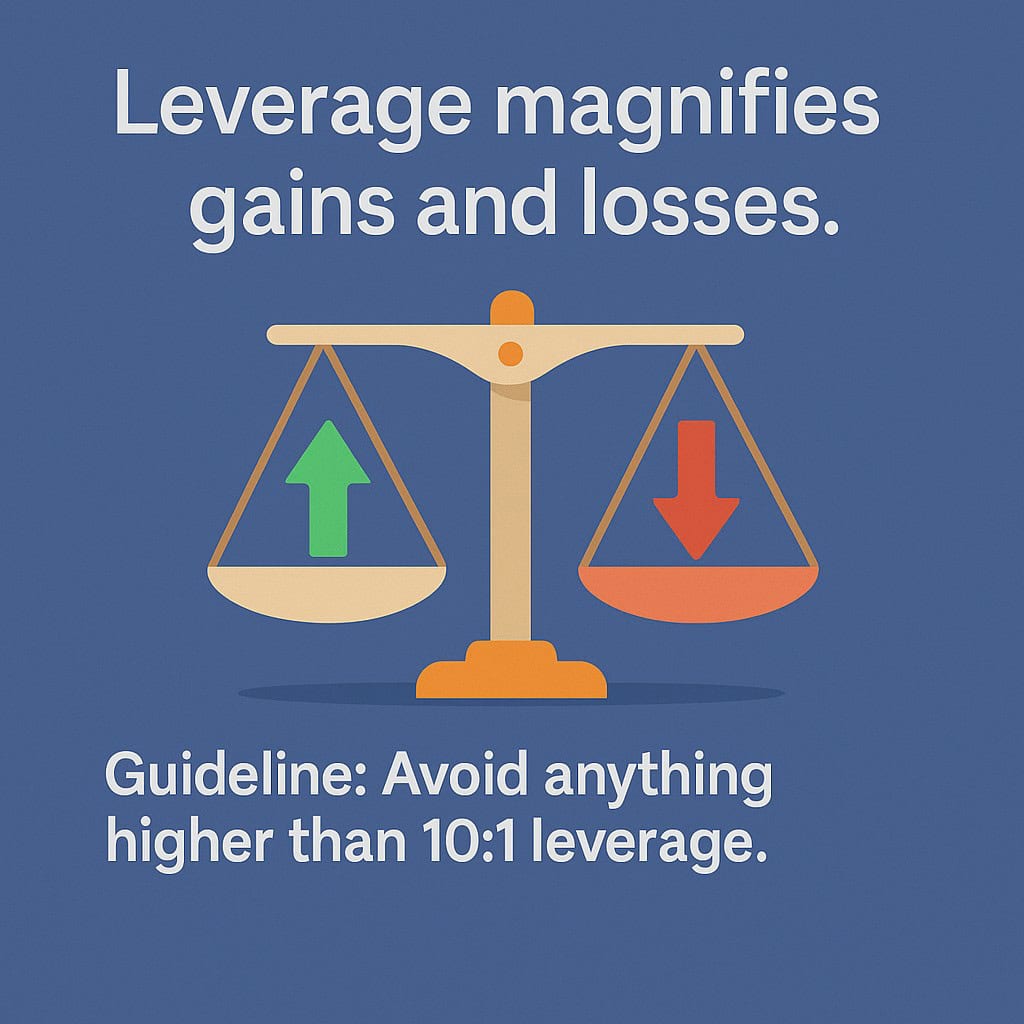
Leverage magnifies gains and losses.
Brokers offering 100:1 or 500:1 leverage expose traders to catastrophic losses.
Guideline: Avoid anything higher than 10:1 leverage.
Lower leverage:
- Reduces emotional pressure
- Minimizes account blowouts
- Encourages strategic thinking
Lack of Experience Makes Trading Riskier
New traders often:
- React emotionally
- Chase trades
- Overtrade
- Ignore risk controls
- Mismanage position size
Education drastically reduces these risks.

Looking for a Strategy?
Download the Six Basics of Chart Analysis and sign up for Forex Forecast to learn a bottom-up approach to analyzing Forex markets and weekly market updates.
Do You Know the Common Mistakes You Must Avoid?
Many traders fail because they repeat predictable mistakes.
Avoiding these errors will dramatically improve your long-term outcomes.
Major Trading Mistakes to Avoid
- Trading without a clear, written plan
- Overtrading
- Setting unrealistic profit targets
- Ignoring major news events
- Failing to use stop losses
- Risking too much on one trade
- Not reviewing past trades
Success requires consistency—not constant activity.
Don’t Set Unrealistic Goals and Expectations
Unrealistic expectations are one of the biggest causes of frustration in Forex.
Many new traders believe they can quickly double or triple their account.
In reality, sustainable success requires:
- Patience
- Consistency
- Strategic thinking
- Controlled leverage
- Proper risk management
Treat trading like a business—not a lottery.
Don’t Trade Without Adequate Education and Preparation
Forex demands skill before returns can occur.
Education Must Include:
- Technical analysis
- Fundamental drivers
- Candlestick reading
- Support and resistance
- Targets and stops
- Position sizing
- Market structure
- Risk controls
And one more essential step:
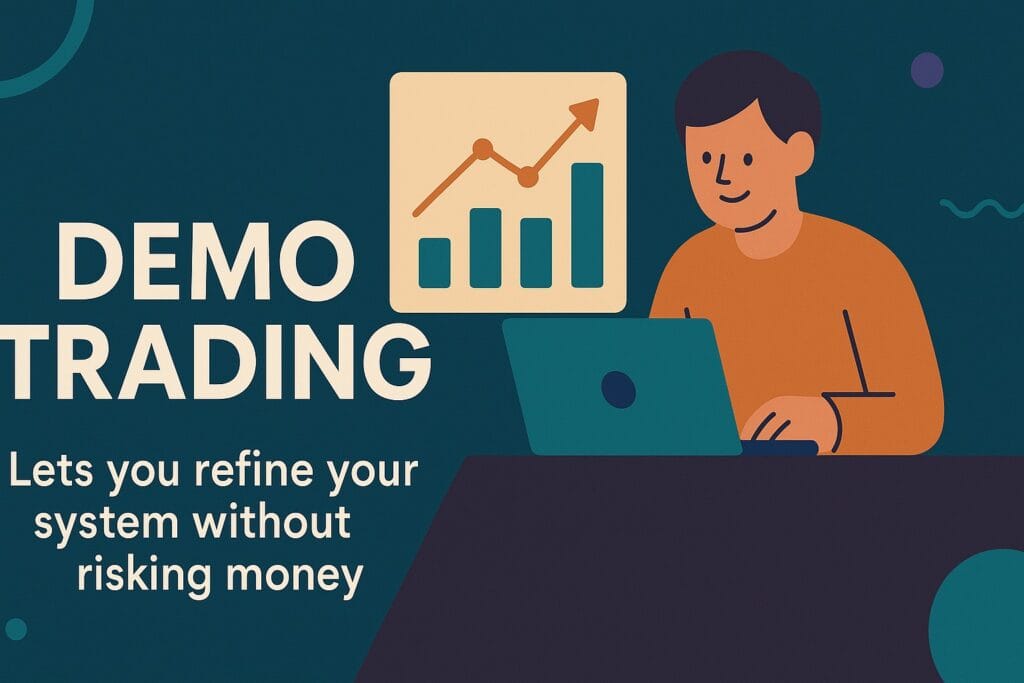
Practice on a demo account first.
Demo trading lets you refine your system without risking money.
The market evolves constantly—your education must keep pace.
Do You Have a Solid Trading Plan – Written Down?
A written plan is one of the strongest predictors of long-term success.
A trading plan defines:
- Entry criteria
- Exit criteria
- Position size
- Risk per trade
- When to avoid the market
- How to respond to changing conditions
- Your goals and boundaries
Without a plan, you default to emotional decision-making—one of the most destructive forces in trading.
Can You Get Rich Trading Forex?
Yes—some traders do achieve wealth in Forex.
But there are no guarantees, and it requires:
- A trading edge
- Skill
- Discipline
- Risk control
- Emotional strength
- Experience
Forex can help build significant wealth, but only through consistent execution and a long-term perspective.
Here’s the Truth You Must Know
Forex is an opportunity—but not a shortcut.
Successful traders:
- Follow their plan
- Manage risk aggressively
- Study their results
- Control emotion
- Understand market behavior
- Improve gradually over time
Wealth in trading is earned through persistence—not luck.
Do You Have What It Takes to Be a Trader?
The real question isn’t whether Forex can make you rich—it’s whether you’re prepared for what trading demands.
Ask yourself:
- Can you handle losses responsibly?
- Will you remain disciplined after winning streaks?
- Can you manage risk consistently?
- Are you willing to learn for years, not weeks?
Trading teaches you more about yourself than any other financial activity.
What Kind of Trader Should You Try to Be?
Your goals and personality determine your trading style.
Common Trading Styles
Day Traders
- Multiple trades per day
- Fast-paced, high-pressure
Swing Traders
- Hold trades for days
- Balance between speed and patience
Position Traders
- Hold trades for weeks or months
- Focus on macro trends
- Best for those with full-time jobs
Choose the style that fits your lifestyle—not the one that seems the most exciting.
Conclusion
Forex trading can create meaningful financial opportunity, but success depends on far more than market knowledge alone.
It requires discipline, realistic expectations, a solid trading plan, and the willingness to manage risk with consistency over time. While Forex can contribute to long-term wealth, it rewards skill and patience—not shortcuts or speculation.
By educating yourself, practicing deliberately, and approaching trading like a business, you give yourself the best chance of turning potential into sustained progress.
Quiz: Can Forex Trading Make You Rich?
1. What is the greatest danger to new Forex traders?
a. Low volatility
b. Excessive leverage
c. Using stop-losses
d. Trading on higher timeframes
2. What is one of the most common mistakes traders make?
a. Using too many indicators
b. Taking too few trades
c. Trading without a written plan
d. Trading only major currency pairs
3. Why is Forex not considered a get-rich-quick method?
a. Markets only move a small amount each day
b. Price action cannot be predicted
c. It requires skill, discipline, and risk management
d. Brokers limit how much profit you can make
4. What is a major benefit of practicing on a demo account?
a. It guarantees future profits
b. It eliminates emotional trading
c. It lets you test strategies without risking capital
d. It ensures you win most of your trades
5. What should determine the type of trader you become?
a. The strategy your friends use
b. The pairs with the tightest spreads
c. How much money you want to make
d. Your lifestyle, personality, and goals
Answer Key
- b. Excessive leverage
- c. Trading without a written plan
- c. It requires skill, discipline, and risk management
- c. It lets you test strategies without risking capital
- d. Your lifestyle, personality, and goals
What’s the Next Step?
If position trading fits your goals, you already have access to powerful free resources.
Start with the Six Basics of Chart Analysis, a framework for understanding market structure and identifying high-probability opportunities.
You’ll also receive the Forex Forecast, delivered every Sunday, which includes:
- Trade ideas
- Real charts using the Six Basics
- Case studies
- Educational videos and guides
- New articles
- Webinar invites
- Member-only resources
Forex Trading Disclosure Statement
Risk Warning:
Forex trading involves significant risk and may not be suitable for all investors. The leveraged nature of Forex trading can work both for and against you, leading to substantial gains or losses. Before trading Forex, you should carefully consider your financial objectives, experience level, and risk tolerance. It is possible to lose more than your initial investment, and you should only trade with money you can afford to lose.
Market Risks and Volatility:
Forex markets are influenced by global economic, political, and social events, which can result in unpredictable price movements. High market volatility can lead to sudden and substantial changes in currency values, potentially causing losses that exceed your initial deposit.
Leverage Risks:
Leverage amplifies both potential gains and potential losses. While leverage can increase profitability, it also increases the risk of significant losses, including the loss of your entire trading capital.
Trading Tools and Technology Risks:
Forex trading platforms, including those offered by brokers, are subject to technology risks, such as system failures, latency issues, and potential errors in price feeds. Traders should be aware that these risks can impact the execution of trades and trading outcomes.
No Guarantee of Profitability:
Past performance in Forex trading is not indicative of future results. There is no guarantee that you will achieve profits or avoid losses when trading Forex. Market conditions and individual trading strategies vary, and no trading system can eliminate the inherent risks of Forex trading.
Educational Purposes Only:
Any information provided about Forex trading, including strategies, analysis, or market commentary, is for educational purposes only and should not be considered financial advice. Consult a qualified financial advisor or tax professional before making any trading decisions.
Regulatory Compliance:
Forex trading is regulated differently in various jurisdictions. Ensure that you are trading with a licensed and compliant broker in your country of residence.
Responsibility:
You are solely responsible for your trading decisions and the associated risks. It is your duty to understand the terms and conditions of Forex trading, including margin requirements, stop-losses, and other risk management tools.
Acknowledgment:
By engaging in Forex trading, you acknowledge that you have read, understood, and accepted this disclosure statement. You accept full responsibility for the outcomes of your trading decisions and agree to trade at your own risk.